
ENTER YOUR EMAIL TO RECEIVE OUR WEEKLY NEWSLETTER
Raphael: Sublime Poetry Arrives at the Met
A knockout exhibit of the Renaissance mega-artist’s paintings, drawings, and tapestries is on display through June 28th
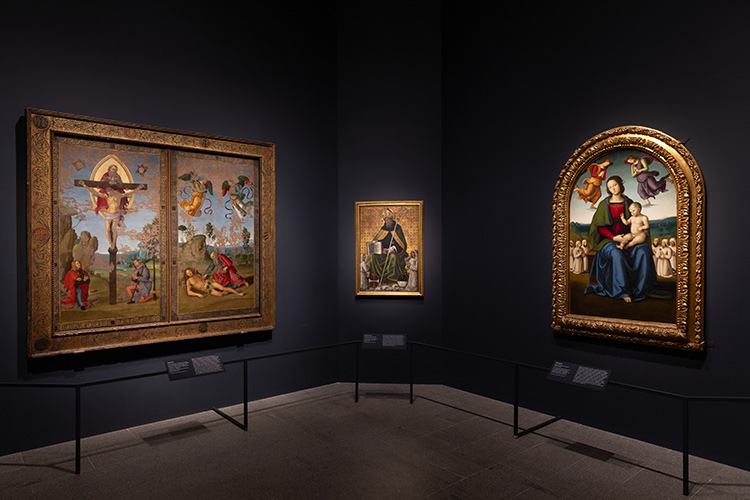
April 6, 2026
Spring 2026 is being made extra-colorful and awesome, indeed, by a grand and inspiring exhibit at the Metropolitan Museum of Art: Raphael: Sublime Poetry, displaying 237 paintings, drawings, tapestries, and fresco fragments by the Italian Renaissance artist known as the Prince of Painters. It is on display through June 28, 2026.
This first major show devoted to Raphael in the United States is, as Max Hollein, the Met‘s director and CEO, put it, “a once-in-a-lifetime event”. It certainly is. Thanks to high insurance rates and owners’ desire to have their art works returned, this exhibit will not travel to other museums.
Carmen Bambach, curator of the exhibit, spent over eight years researching it. She traveled to Europe more than a dozen times (visiting to the Louvre five times to persuade those in charge to lend Raphael’s Portrait of Baldassarre Castiglione).
“The exhibition includes many works which are reunited for the first time with their historical companions,” Bambach added. Included are studies, sketches, and drawings Raphael made for altars, paintings, and frescos—one of them being The School of Athens—a fresco representing philosophy and intellectual pursuit, on loan from the Vatican’s Raphael Rooms.
“My aim is to give a glimpse over the artist’s shoulder, to get into his mind as he’s creating,” Bambach explained, noting the many cartoons and sketches that are displayed among Raphael’s final works.
She gives us a unique view of Raphael (1483-1520), showing his works next to those by artists who influenced him, and also those he influenced. She also lets us see how diligently he worked, successfully managing a large studio in Rome.
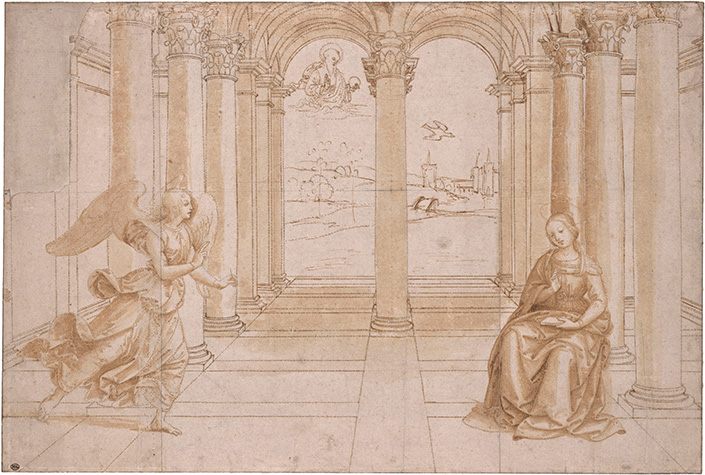
Raphael (Raffaello di Giovanni Santi) (Italian, 1483–1520) The Annunciation (Cartoon for the Left Scene in the Predella of the Oddi Altarpiece) ca. 1503-4. Musée du Louvre, Département des Arts Graphiques, Paris (3860). Image © RMN-Grand Palais / Art Resource, NY, photo by Michel Urtado.
. . . . . . . . . . . . .
From childhood, Raphael was surrounded with art. (Portrait of a Young Boy, which he painted around 1500, in his teenage years, is presumed to be a self-portrait.) His father, Giovanni Santi, a poet and court painter for the Duke of Urbino, encouraged Raphael’s painting and introduced him to Pietro Perugino, a prominent artist who took him on as a student, then as an assistant, and finally as a “master” who worked with him. At the Met, paintings by both Santi and Perugino are exhibited near Raphael’s works. Even his home town, Urbino, with its impressive classical architecture, influenced Raphael: its Ducal Palace’s graceful columns appear years later in such works as The Annunciation.
Giovanni Santi also gave his son entree into the upper echelons of society—an “aristocratic network that opened doors,” Bambach noted. Portrait of a Young Woman with a Unicorn (1505-6), one of Raphael’s most famous society portraits, presents a young woman, yet to be wed, adorned in a sumptuous outfit and jewels. The unicorn cradled in her arms not only represents purity—but was also the symbol from her family’s coat of arms. The message of this portrait? Its sitter was rich, divinely beautiful, and available.
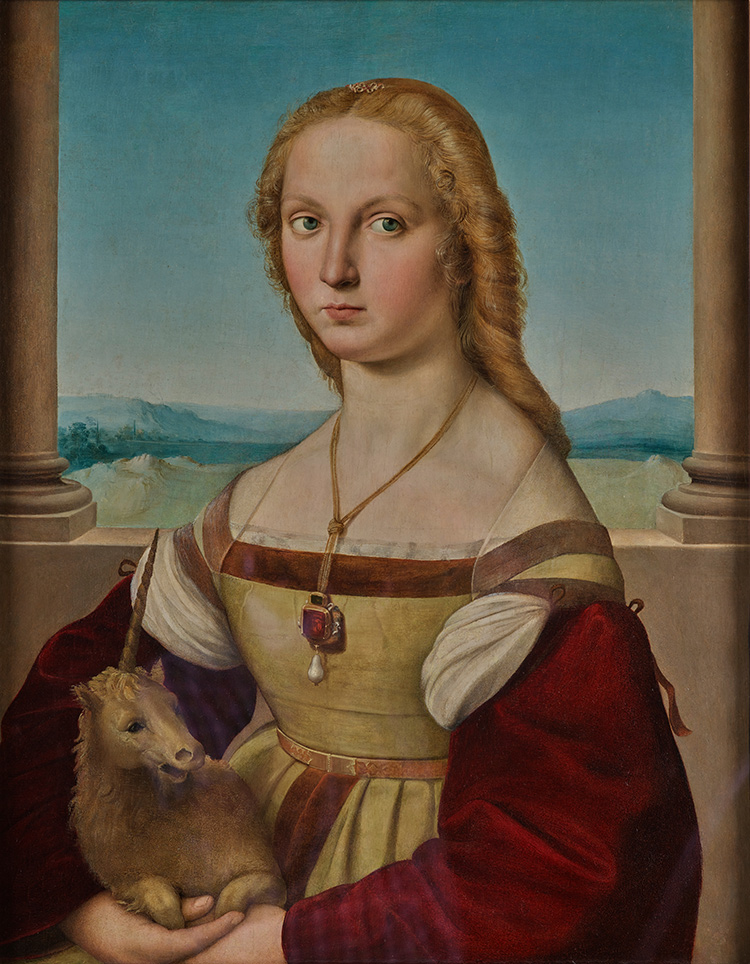
Raphael (Raffaello di Giovanni Santi) (Italian, 1483–1520) Portrait of a Lady with a Unicorn 1505-6. Oil on canvas, transferred from wood Galleria Borghese, Rome (371). Image © Galleria Borghese, photo by Mauro Coen.
. . . . . . . . . . . . .
One of Raphael’s most famous portraits is of his intimate friend Baldassare Castiglione, who published The Book of the Courtier and coined the term sprezzatura, which, Bambach explained, means looking fabulous without even trying. Castiglion’s term even has Bambach speculating that Raphael would have embraced Instagram. As she put it, “I’ve always said if Raphael lived in our time, he would have loved social media!”
One of his most famous portraits is of his intimate friend Baldassare Castiglione, who published The Book of the Courtier and coined the term sprezzatura, which, Bambach explained, means looking fabulous without even trying. Castiglione’s term even has Bambach speculating that Raphael would have embraced Instagram. As she put it, “I’ve always said if Raphael lived in our time, he would have loved social media!”
Raphael’s paintings of the Virgin Mary and Jesus Christ received high praise during the Renaissance. Unlike earlier works displayed in churches and paintings, his made Mary and Jesus much more human and intimate. The interaction between mother and child—vital and playful—is especially evident in The Virgin and the Infant St. John the Baptist in a Landscape (otherwise known as The Alba Madonna). Nestled in the circular tondo format, the infant Jesus tries to grab the reed cross from the infant St. John the Baptist—a touching image representing the triumph of the Resurrection.
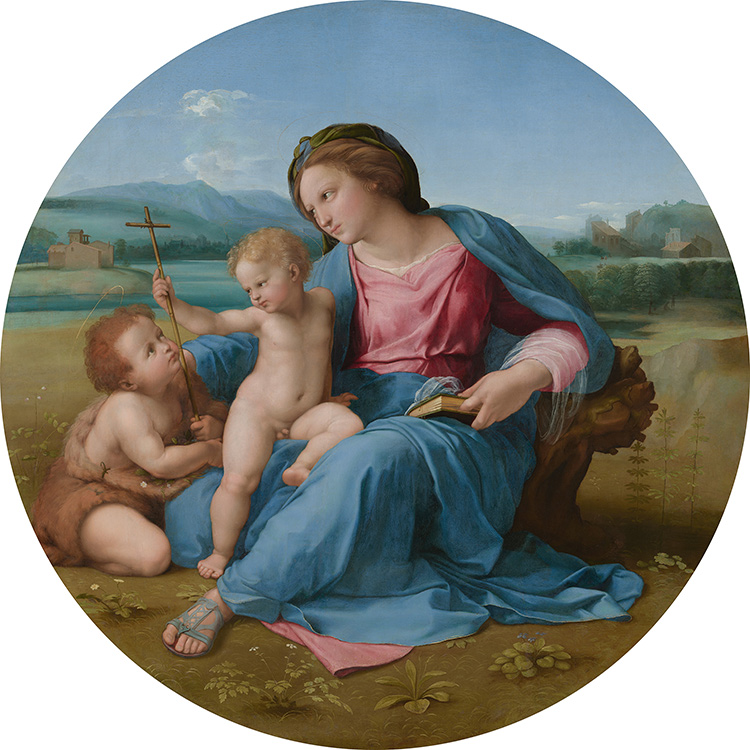
Raphael (Raffaello di Giovanni Santi) (Italian, 1483–1520) The Virgin and Child with Infant Saint John the Baptist in a Landscape (The Alba Madonna) ca. 1509-11. Oil on canvas (transferred from wood). National Gallery of Art, Washington, D.C., Andrew W. Mellon Collection (1937.1.24). Courtesy National Gallery of Art, Washington.
. . . . . . . . . . . . .
The emotional closeness of the son and mother in this painting, Bambach says, echoes the sad trials of Raphael’s life. When he was just eight years old, his mother died in childbirth, as did his newborn sister. To underscore this artist’s love and longing for his mother, Bambach managed to secure an account book from the convent in Urbino relating to the funeral expenses. On display in the Met exhibit for the first time in public, it is opened to a page detailing how many candles the family bought for the ceremony. Three years later, Raphael’s father died, leaving him an orphan. Soon he was leading a nomadic life in Northern Italy, planning and creating works in churches. In Florence, where he began to emerge as a peer of Leonardo da Vinci and Michelangelo, he became known for his social portraits as well as for his Madonnas.
The death of his father in 1494 left Raphael an orphan. Soon he was leading a nomadic life in Northern Italy, planning and creating works in churches. In Florence, where he was known for his Madonnas and portraits, he began to emerge as a peer of Leonardo da Vinci and Michelangelo. Invited in 1508 to Rome by Pope Julius II, perhaps at the suggestion of the architect Donato Bramante, Raphael was commissioned to fresco four rooms on the second floor of the Apostolic Palace. (Bambach allows us to see these rooms in a video that is shown in the exhibit.)
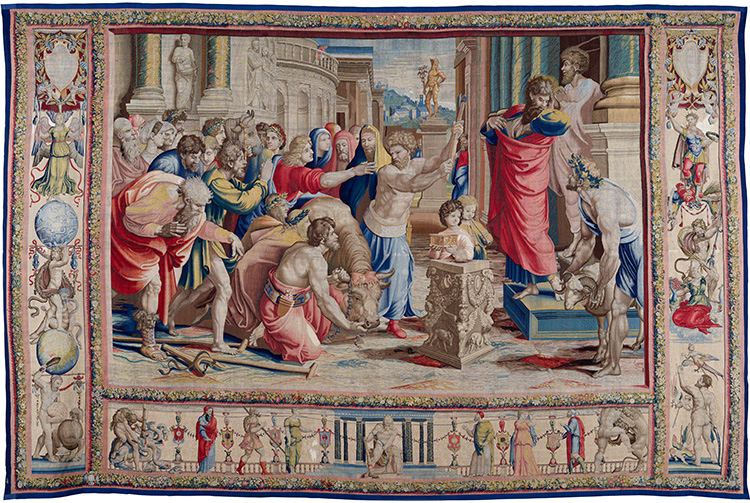
Jan van Tieghem, Flemish (active ca. 1535–after 1573), Frans Gheteels, (act. 1540-68) after Raphael (Raffaello di Giovanni Santi) (Italian, 1483–1520). Saint Paul and Saint Barnabas at Lystra (from the Second Edition of the Acts of the Apostles Tapestry Series). Late 1540s or early 1550s. Warp: wool, 7-8 per cm; weft: wool and silk, lined on the reverse, 34-38 per cm.
. . . . . . . . . . . . .
After Pope Julius’ death, Raphael formed an even closer relationship with his successor, Pope Leo X, who named him architect on the new St. Peter’s. He also painted a portrait of Leo and then was commissioned to create the cartoons displaying magnificent visions of the Gospel, destined for ten tapestries for the Sistine Chapel. As Bambach notes, the tapestries, woven in Brussels, were so magnificent that they drove Leo X’s papacy into bankruptcy. Three that are on display at the Met had been made later in Raphael’s career, for the King of Spain. The Pope eventually profited. But by then, Raphael had died, at age 37
Raphael: Sublime Poetry is indeed a once-in-a-lifetime event that I plan on seeing again and again with friends. I also look forward to attending some of the talks and special events. Don’t miss it!
Suzanne Charlé has written for numerous publications, including The Nation, House Beautiful, and The New York Times, where she was a freelance assigning editor for the Magazine. She has co-authored many books, including Indonesia in the Soeharto Years: Issues, Incidents and Illustrations.
For other NYCitywoman articles by Suzanne Charlé, see:

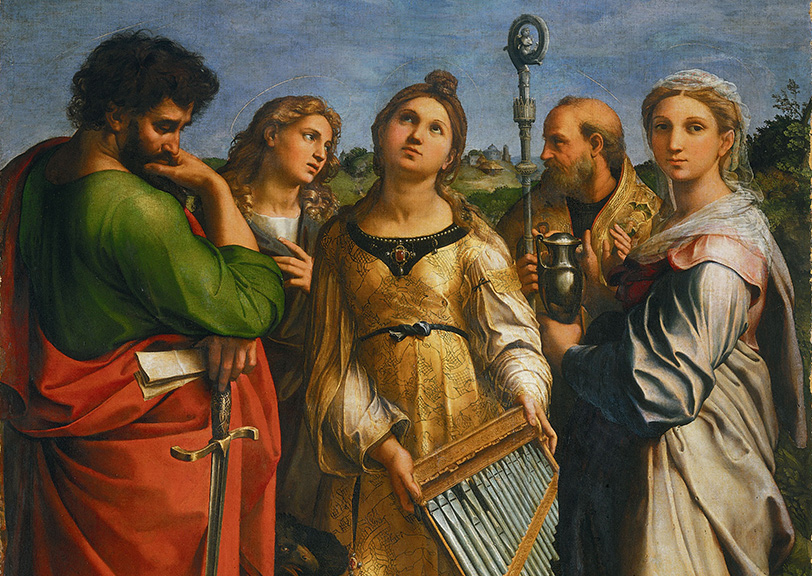
Raphael: Sublime Poetry Arrives at the Met
The “What’s Happening” Kid

Cognitive Decline After a High-Pressure Career
Neil Diamond Plays Fort Gordon!
Our 2026 Fundraising Request
My Vietnam War—Part 1 in a Series
Creating a Life (and a Livelihood) in Italy
The Paul Taylor Dance Company Returns to Lincoln Center

Reviewing the 63rd Annual New York Film Festival

These Days, It’s Women Who are Filing for Divorce